

When a company acquires one or more businesses, it faces several challenges.
In this article we dive deeper into the commercial and communication challenges of business acquisitions.
Challenge 1: Communication with Internal and External Stakeholders
After a company is acquired, a town hall meeting begins with the words: “Welcome to the club. You don’t have to worry, because nothing will change for you as employee” and then, “We’ll get back to you when we’ve finished our roadmap.” And then it’s quiet for too long. Staff grows restless, wondering, “There’s someone in my job there too, what does that mean for me?” and “Will I have to apply for my own position later?” Suppliers and customers wonder who they’ll be able to work with, and whether they’ll even be able to continue doing business with them.
Uncertainty prevails, and that damages the company image. People become restless and seek clarity and new structures. Research shows, for example, that as many as 20-30% of employees leave after an acquisition. A total of approx. 25% leave on both sides. A well-thought-out, pragmatic, and executable communication plan before the town hall meeting is essential. Then you’ll have something real to share. This immediately creates a sense of calm within the organization and with your customers and suppliers.
Challenge 2: Maintaining Market Traction
The purpose of an acquisition can vary. It might be to increase scale, diversify, or penetrate the market. Whatever the buy-and-build strategy, the commercial strengths of the various brands can often be combined. But which brand and which product or service will be the focus of marketing and sales? How do you maintain market traction? Which propositions will you pursue and from which brand? What pricing strategy will you use? And which brand will drive the campaign? These are all questions that often remain unanswered for far too long.
Campaigns are being halted, and sales struggles to maintain market traction, resulting in a drop in revenue. While you can’t entirely prevent a drop in revenue, our 100-day plan ensures your sales team stays active, maintains traction, and significantly reduces the dip in revenue.
Challenge 3: Preventing Brand Cannibalization
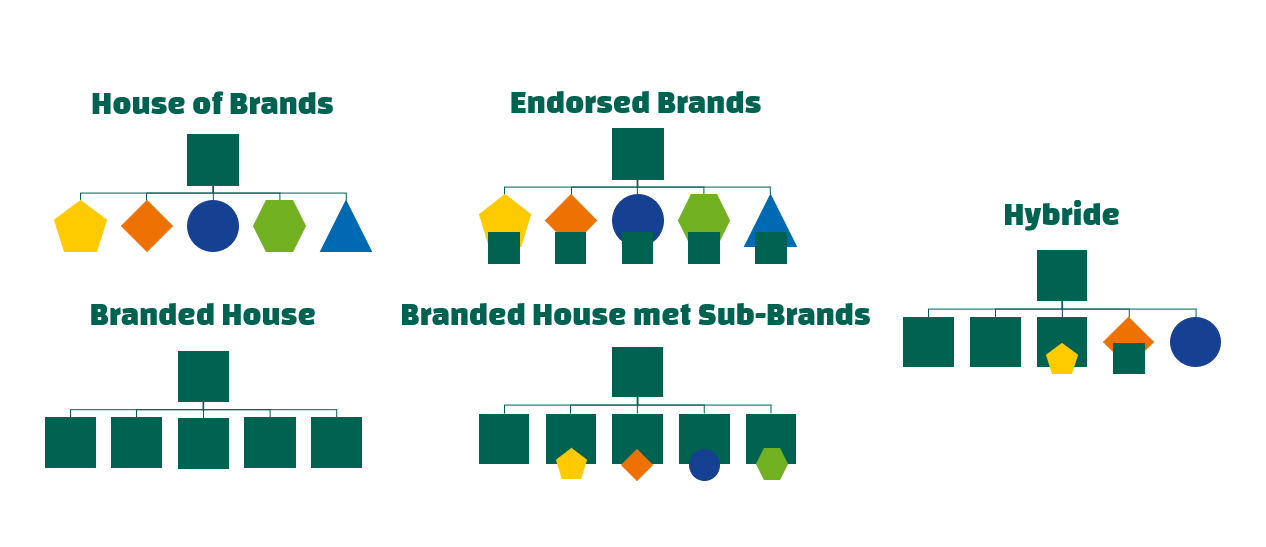
The acquisition of one or more companies creates a collection of brands that must converge within a defined structure, culture, and hierarchy. Sometimes, one or more entities continue to operate independently. To prevent cannibalism between brands, the distinctiveness between them must be further emphasized. Clear and incomparable brand positions make the cohesion of the brands logical.
We help develop brand propositions that are easy to explain and understand. Sophisticated brand communication strategies contribute to maintaining market traction. The result: marketing and sales know what they’re doing, collaborate effectively, and understand the impact branding can have on maintaining that traction.
Do you need help facing commercial challenges in business acquisition?